Ask in your own words
No prompt technique to learn. Ask about a customer, a month, a process. Oria decides which of your systems to read and shows you the path it took to the answer.
You have an AI assistant. What you do not have is one that reads your systems, remembers what your organization decided last quarter, and can act on it with a record of every step.
Nothing here needs a project plan. You sign in, point Oria at something you already care about, and it works from what your organization knows rather than from what the internet knows.
No prompt technique to learn. Ask about a customer, a month, a process. Oria decides which of your systems to read and shows you the path it took to the answer.
Most assistants stop at a summary. Oria runs the governed actions your business already defined, under the same permissions your people have, and asks before the ones that matter.
Correct it once and the correction becomes institutional. The rule you explain today is the rule it applies next month, with the reason and the author attached.
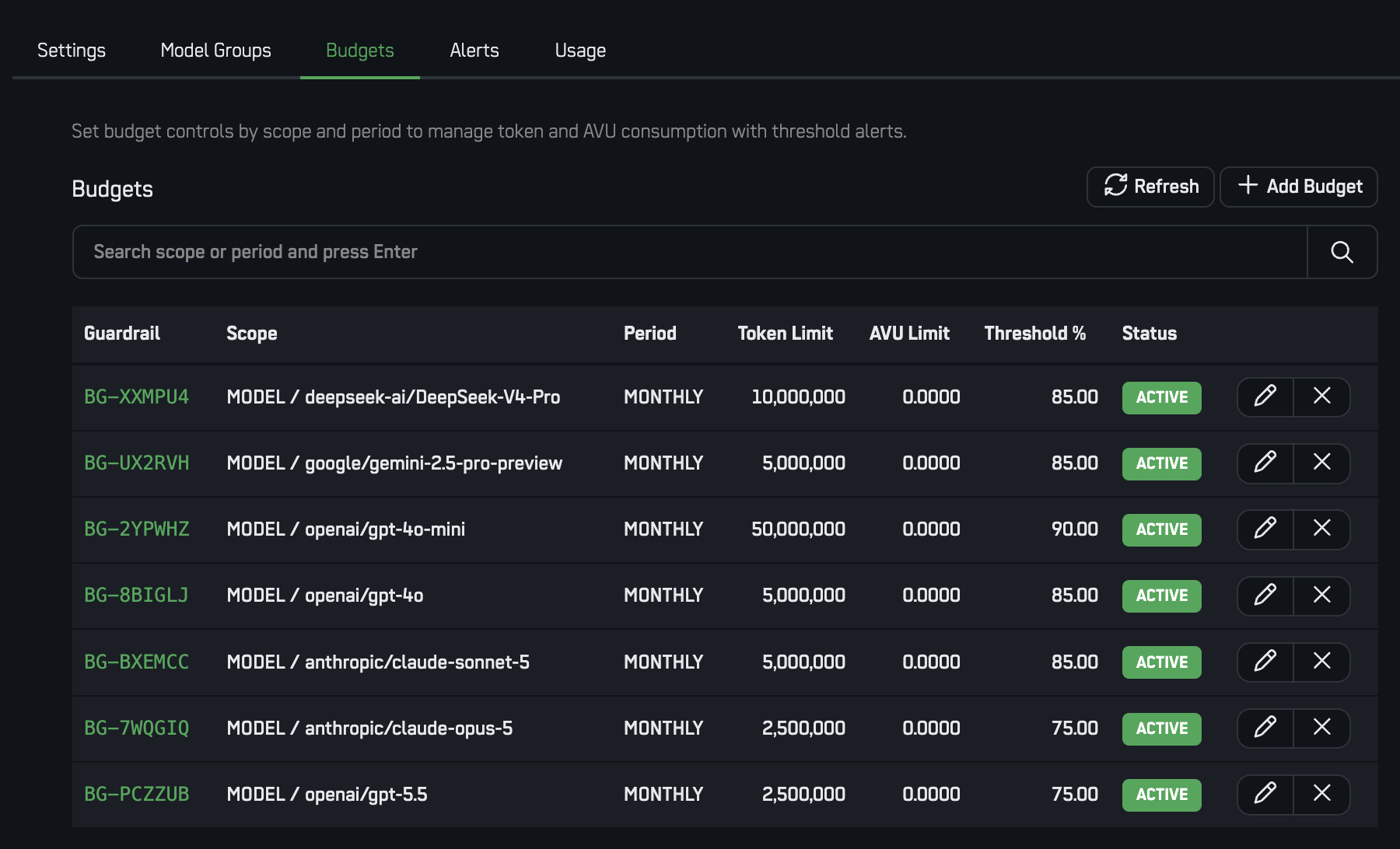
Every turn is priced against a budget you set. There is no month where the bill is a surprise and no way for one heavy user to spend the whole pool quietly.
These are not four products. They are four things the same session can do, on the same governed data and the same permissions.
Ask, and it reasons over your governed data and your institutional memory. Dashboards, maps, relationship graphs and timelines come out of the conversation instead of a ticket.
It writes and runs code against your own model of the business, inside your security policy, with a review gate before anything ships.
Author the ontology itself: the nodes, the relations and the tables behind them, with permission gates on propose, apply and sample.
A governed execution environment. Code runs in its own pod with your scope and permissions, its own storage, and human approval where it counts.
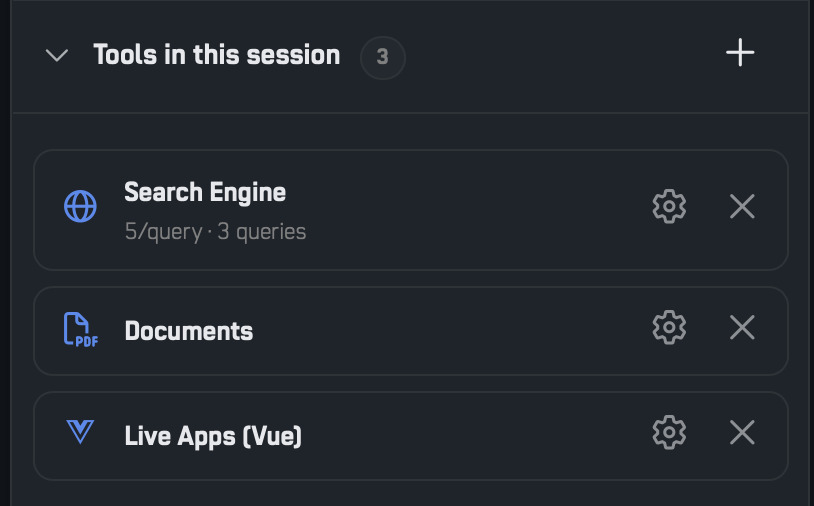
A question that ends in a spreadsheet is a question you get to ask again next month. Oria builds the thing itself, connected to the data it was built from, versioned and kept with the session. Every tool below is listed, configurable and removable, so what the AI can reach stays a decision somebody made.
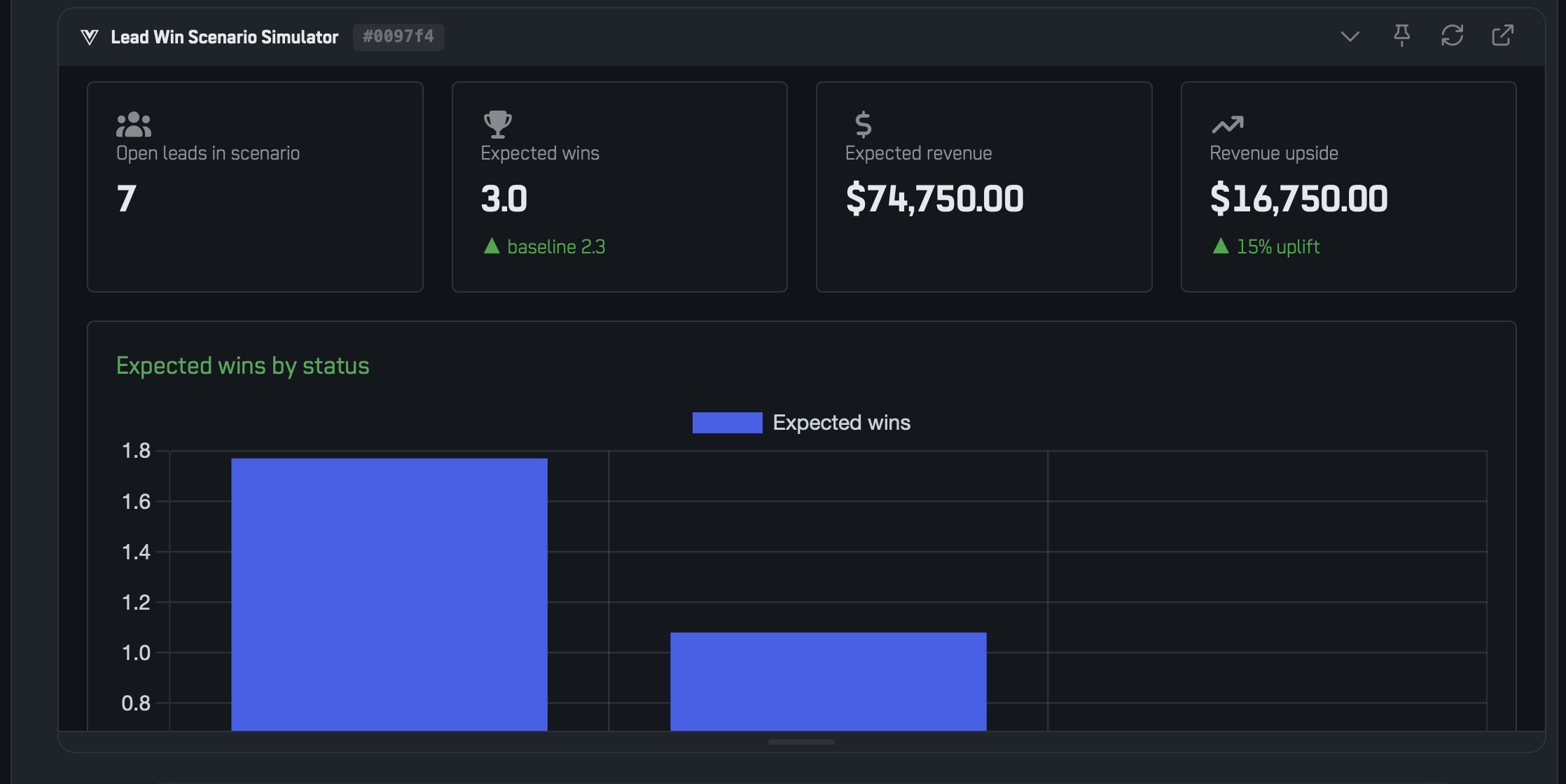
KPI tiles and charts laid out together from the data the session is already reasoning over.
Real PDF, Word, PowerPoint and Excel files, styled with your document design system and handed over as a download.
Kanban with per stage counts, WIP limits and aging. It writes the status back where a governed action allows it.
Timelines, Gantt schedules and calendar heatmaps, with span, gap and duration analysis.
How customers, suppliers, owners and referrals connect. Hubs, clusters and orphans read as figures.
Interactive maps on the basemaps your workarea already has, with layers, controls and popups.
What if sliders that recompute the output live from the formula behind it.
A connected app built for the job: lookups, reconciliation views, form driven query builders. Oria writes the components, ARPIA compiles them.
Visuals generated and edited in the session, dropping straight into the documents and decks it produces.
Storage that outlives the session, for the analysis and the small apps that are not ready for the organization ontology.
An Expert holds its own ontology nodes and its own tools, so the person chasing collections and the person writing a proposal do not both start from the same blank session. Set the kit once and everyone in that role opens with it.
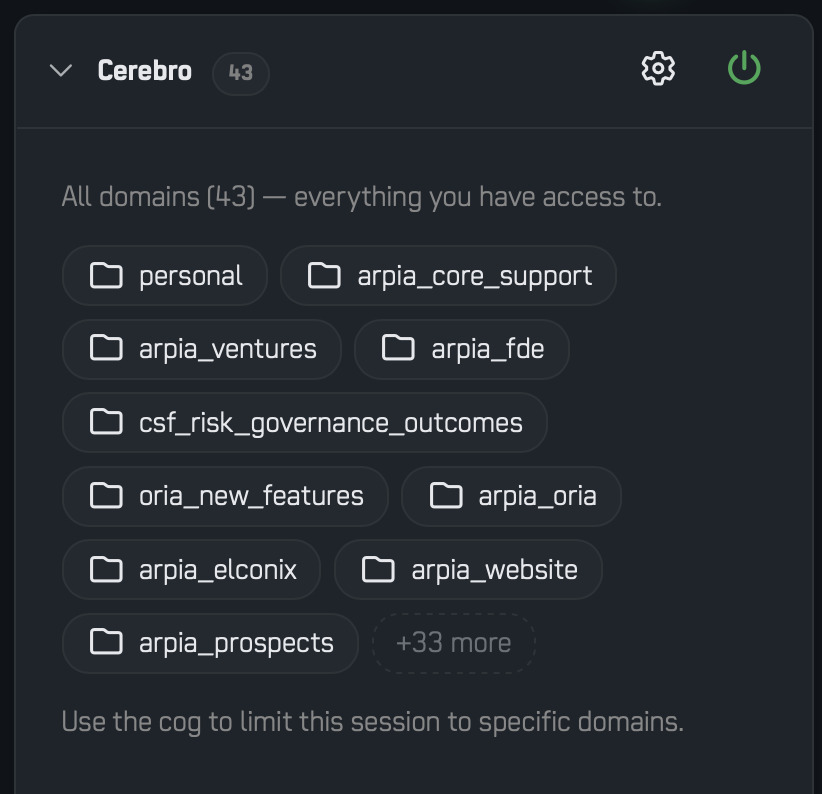
Cerebro is where your organization writes down what it has already settled: the rules it learned the hard way, the reasons behind the calls that worked, the procedures that actually get followed. Oria answers from it and cites what it used.
Cerebro comes with the account from the entry tier. It is not an add-on.
Just over a minute: a session that already knows what the organization decided, and where the answer came from.
Budgets are enforced at the point the request is made, not reconciled at the end of the month. When a limit is reached the call is refused and the person is told why.
ARPIA is SOC 2 compliant. Live service status is published at status.arpia.ai.
Two lines, and only one of them recurs. The seat is what a person costs per month. The wallet is what the AI actually consumed, which is the number most vendors hide inside the seat price.
Billed per user per month and prorated daily, so someone who joins on the 20th costs eleven days. This is the only recurring charge.
A prepaid pool the whole organization draws from. You load it, you watch it, you top it up when it runs low. It is not a monthly fee and nothing is charged for capacity you did not use.
Want the numbers for a specific headcount? The sizing calculator on arpia.ai/oria prices a real deployment, seats and wallet together.
One person, one real question, one session. The organization can come later, and when it does, everything you taught Oria is already there.